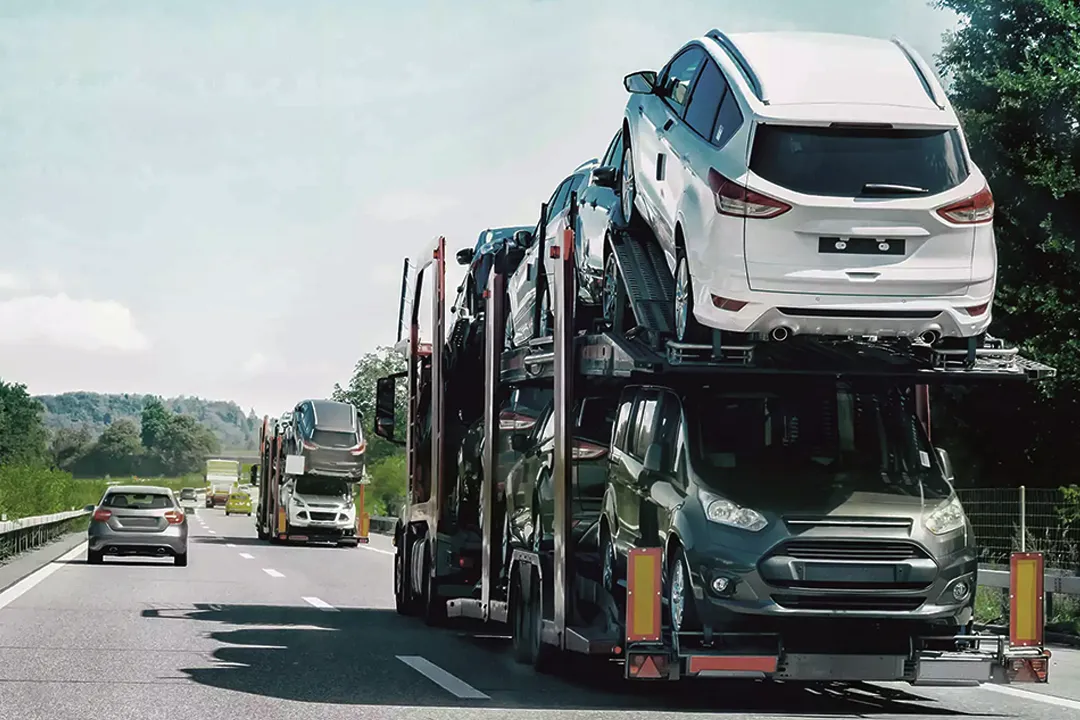

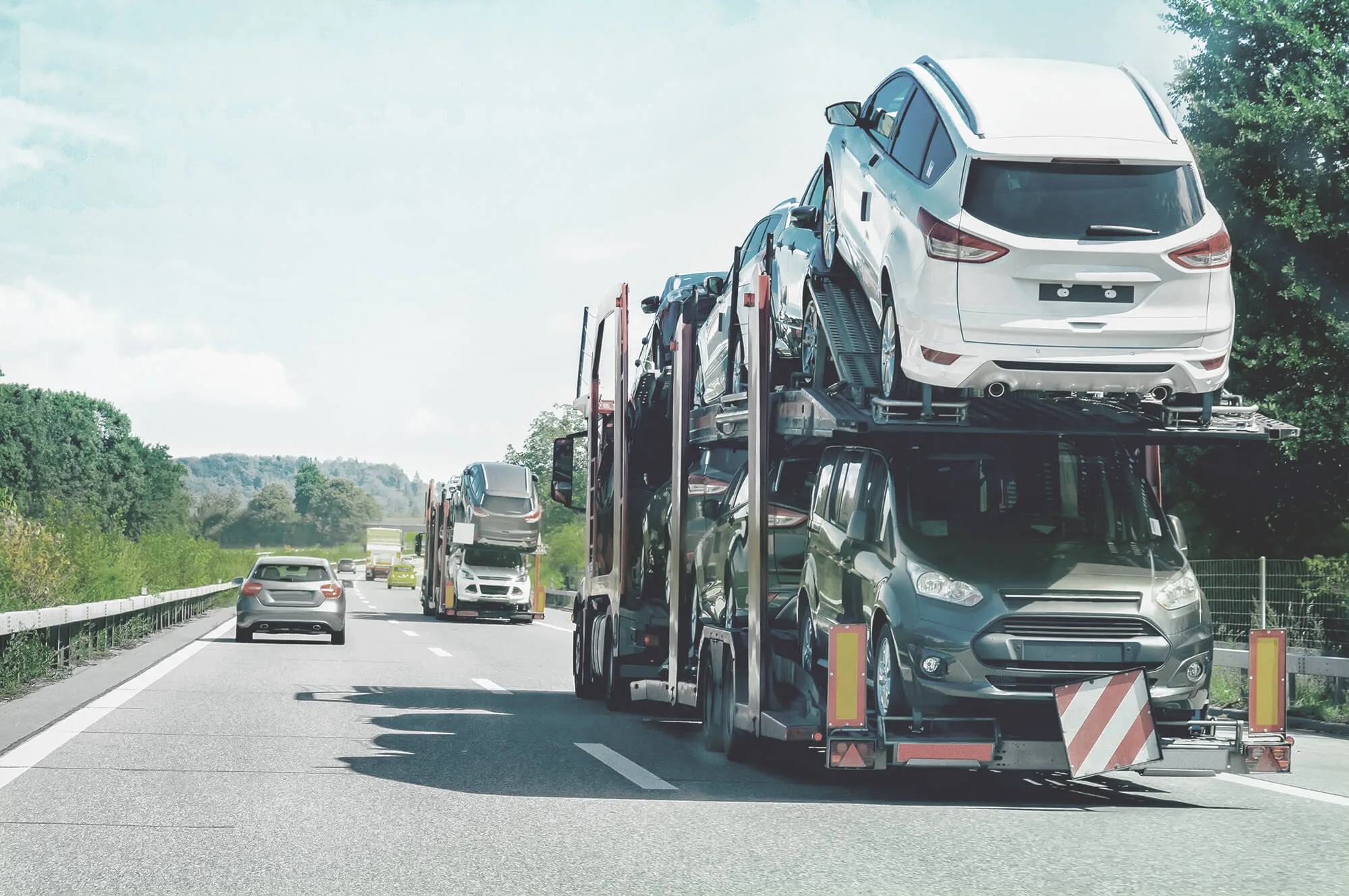
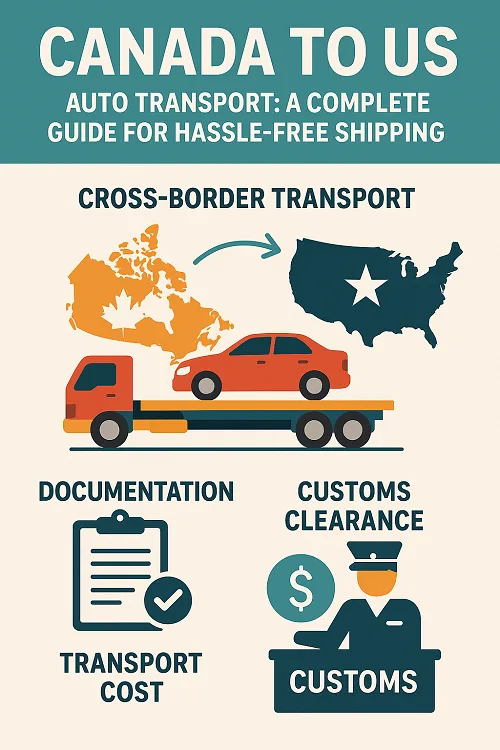
 It is totally different to ship your car in Canada and the US than doing the same within the country. You need to follow the government regulations, have complete and clear paperwork, and use the accurate shipping methods.
The very first deciding factor is the selection of shipping type for your vehicle. It might be open carrier transport, enclosed carrier transport, or any other special service for luxury or old cars. They all have different fees and give different levels of your car’s safety.
It is totally different to ship your car in Canada and the US than doing the same within the country. You need to follow the government regulations, have complete and clear paperwork, and use the accurate shipping methods.
The very first deciding factor is the selection of shipping type for your vehicle. It might be open carrier transport, enclosed carrier transport, or any other special service for luxury or old cars. They all have different fees and give different levels of your car’s safety.
Why It Matters
- Regulations Compliance: Cars are required to comply with US safety and emissions standards.
- Money Matters: Various transportation ways affect the total cost of your budget.
- Safety First: A motorist who rents a professional auto transport service can enjoy less worries and stress than if he/she had to drive the car himself/herself on a long journey.
Key Features of Auto Transport Options
| Transport Method | Cost Range (Approx.) | Protection Level | Best For |
|---|---|---|---|
| Open Carrier | Lowest | Basic | Standard cars and cost-savers |
| Enclosed Carrier | Higher | High | Luxury, classic, or rare cars |
| Expedited Shipping | Premium | Flexible | Urgent relocations and fast moves |
In-depth Aspects of Cross-Border Shipping
The "Canada to US auto transport" scenario has various aspects that could influence your journey and expenses. Documentation Requirements- Vehicle Title and Registration: The essential proof of the vehicle’s owner.
- Bill of Sale: Especially for newly bought cars.
- Customs Forms: Both US and Canadian customs need statements.
Shipping Methods Explained
Open Carrier Transport
It is the cheapest way of shipping the vehicle. Your car is placed in an open carrier along with several other vehicles. It is the most common method, but as the cars are exposed, their owners have to bear the risk of weather.Enclosed Carrier Transport
The cars are transported in a sealed trailer. Besides being protected from road debris, weather, and theft, the enclosed carrier is the favorite option for valuable cars.Cost Influences
- Number of miles traveled across provinces and states.
- The type of carrier selected (open vs enclosed).
- Seasonal demand, with higher rates during the peak moving months.
Comparing Domestic And Cross-Border Auto Transport
Knowing the difference between domestic car shipping and international auto transport is necessary.Domestic Transport:
- The paperwork is simpler.
- Costs are lower.
- The delivery is quicker.
Cross-Border Transport:
- Customs clearance is required.
- Possibly higher fees.
- Much longer planning time is typical.
| Feature | Domestic Shipping | Canada to US Shipping |
|---|---|---|
| Documentation Needed | Low | High |
| Cost | Lower | Higher |
| Delivery Time | Faster | Longer |
| Customs Clearance | No | Yes |
Comparison Graph
Here is a basic comparison :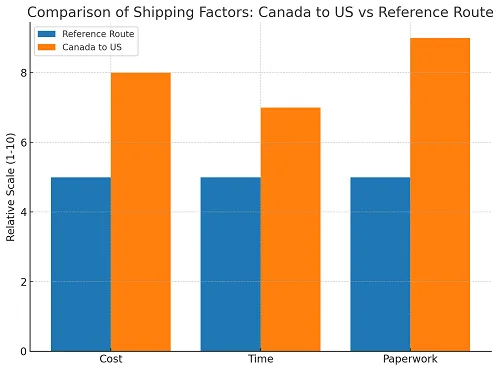
-
Canada → US shipping: Higher cost, more paperwork, longer time
-
Other routes: Lower cost, less paperwork, faster shipping
-
Takeaway: Canada → US is costlier, slower, and more complex
Practical Tips For Choosing The Right Auto Transport Service
It makes a huge difference to find the best company for Canada to US auto transport. What To Look For- Experience in Cross-Border Shipping: The companies with the track record of working across the border should be picked.
- Transparent Pricing: Do not fall into the trap of hidden fees.
- Insurance Coverage: Let your car be the safest among thieves.
- Customer Reviews: The opinions of former customers are a mirror of the company's trust.
Step-By-Step Guide
- Look through the companies and get the quotes off them.
- Make sure that they can do the customs clearance work.
- Get familiarized with their insurance plans.
- Get your transportation done and gather your paperwork.